
In April we sent two Leeds Civic Trust members to the annual Civic Voice conference, held this year in Liverpool…
Firstly, thank you to the Civic trust for supporting a new member to attend the Civic Voices “Regeneration” themed annual conference on the 17th April. I’d arrived for my first visit to Liverpool on the train that morning, and been awed by the buildings on the walk from Lime Street station to the Docks. The effort to deliver an amazing level of regional development over the last 20 years without losing local heritage was striking. My brain was completely full by lunch time as the level of detail I’m about to share reflects, but a week later I am still fired with the desire to deepen my knowledge of the topics I raise below, a testament to the eloquence of the speakers.
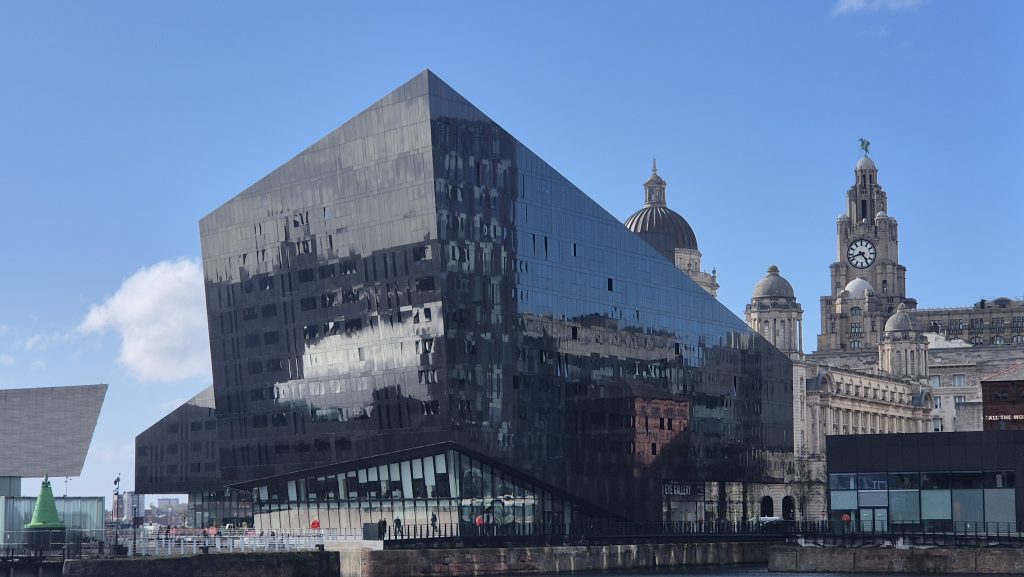
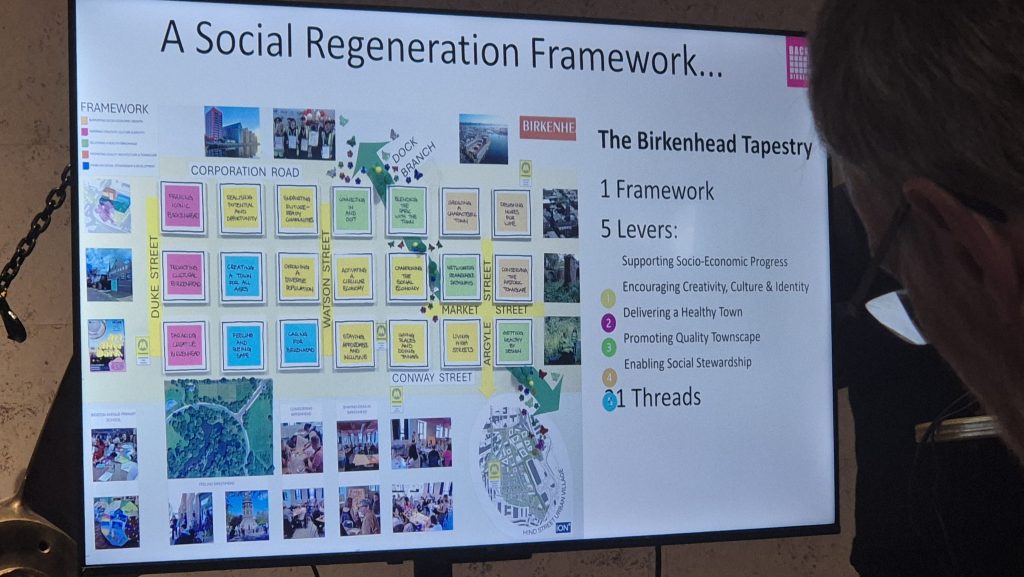
The first session on Grassroots Planning to empower community ownership of a development was wonderfully rooted in the history of Birkenhead. A process of thorough bottom-up community engagement has led to community empowerment. Key to its success was taking sufficient effort to hear people’s opinions, concerns, ideas and aspirations to build a network plan, so it would not end up as another top-down vision that had no follow-through. The concept of embedding enough community ownership to ensure there was “sustained impatience” from the community to keep things going was new to me, but instantly relatable.
The next session, “From Alienation to Agency – Destination Bootle”, showed the success of the long game and community-led activity. This project has enabled a community in Bootle to create social trust and cohesion in an area ground down by deindustrialisation over the last 100 years, and had become seen purely through its deficits. Over 15 years, community mapping and an asset-based approach created something now mimicked by the local authority in other areas. From a £15k grant to a £750k turnover, there is a thriving community pub/arts venue at its hub, affordable housing and enterprise and ownership of green space and waterways. It is hard to imagine this could be done if led by a local authority or external commercial interests, with their short timeframes until success must be seen.
The commercially led development of ‘Liverpool One’ was quite a contrast in the next presentation. The creation of an open-air shopping centre that retained vistas and heritage, rather than enclosed shopping centre was groundbreaking. Like those who opposed it initially, I was astonished to hear how much consideration to history, creating streetscapes and access routes was given in this scheme.
Professor Sally Stones’ keynote speech on adaptive reuse of buildings packed in a degree’s worth of ideas before lunch. Some highlights include environmental sustainability driving reuse, despite the cost implications compared to rebuilding. Considerations include how to determine what to retain, how to modernise, the concept of deliberate inconvenience to help rebuild social connection, and the impact/leadership of activism. Who knew there was so much subversive activity in redevelopment?
We heard about the work of Merseyside Buildings Heritage Trust, a small group of passionate expert advisers who support redevelopment, with a hint of fear for the future as budgets tighten and the specific local knowledge is squeezed.
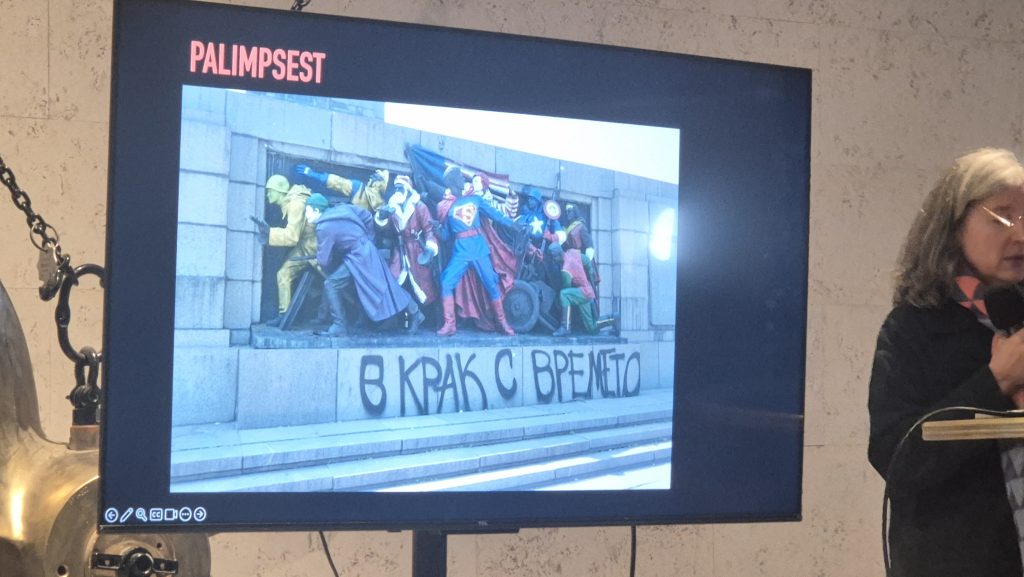
A final session around landscape architecture and “palimpsest architecture” closed an ideas packed day. The breadth of styles and content of the sessions was highly effective at holding interest. To show someone just how wide the activity of civic trusts can be and how much more to it there is than “heritage” or “blue plaques”, this day would take a lot of beating.
Iola Shaw – Leeds Civic Trust member
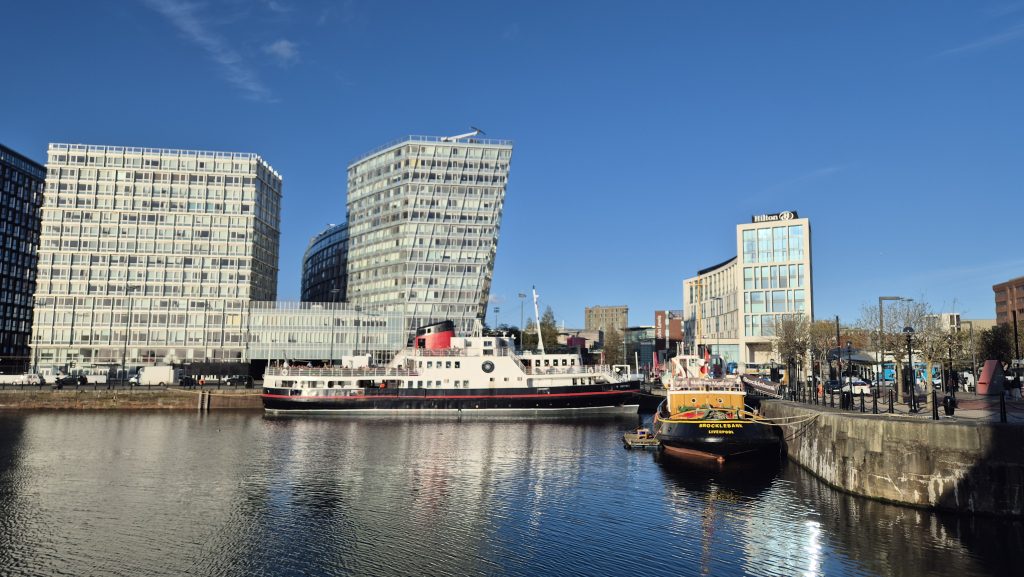
I recently attended the Civic Voice Annual Conference in Liverpool on behalf of Leeds Civic Trust. Set aboard the former Mersey ferry Daffodil, the event gathered expertise and inspiring stories from various speakers. Talks focused on regeneration, placemaking, and urban design in Liverpool and the wider Merseyside port towns.
As an architect working in heritage, I was interested in the overlap of communities and heritage regeneration. Graham Marshall spoke about his advocacy for the regeneration of Birkenhead. A Georgian planned port town, keying on community leadership and participation, how to nurture a group and the idea of sustained impatience to enforce sustainable change. Professor Sally Stone raised the importance of the future of the already built, the architect as facilitator and the roots of adaptive reuse to inform change. Steve Power brought us back to 20th century Liverpool and the Lower Duke Street Conservation Area. Steve discussed the Townscape Heritage Initiative, which addresses problems of disrepair, erosion of quality and underuse of historic structures as a result of manufacturing and commerce changes. Dr. Paul Jones also argued the benefits of devolution, how heritage assets can drive regeneration by acting as catalysts for wider urban renewal.
Together, these perspectives paint a compelling picture: regeneration is most impactful when it honours the past, empowers the present, and plans ambitiously for the future. The conference raised thought provoking questions through well documented initiatives challenged by the needs and aspirations of communities. Heritage‑led regeneration thrives when people and place are understood as inseparable. Historic environments should be treated as living assets capable of shaping resilient, meaningful urban futures.
Cosmina Nita, Architect at Bowman Riley, Leeds Civic Trust Corporate Member
Photos by Iola Shaw